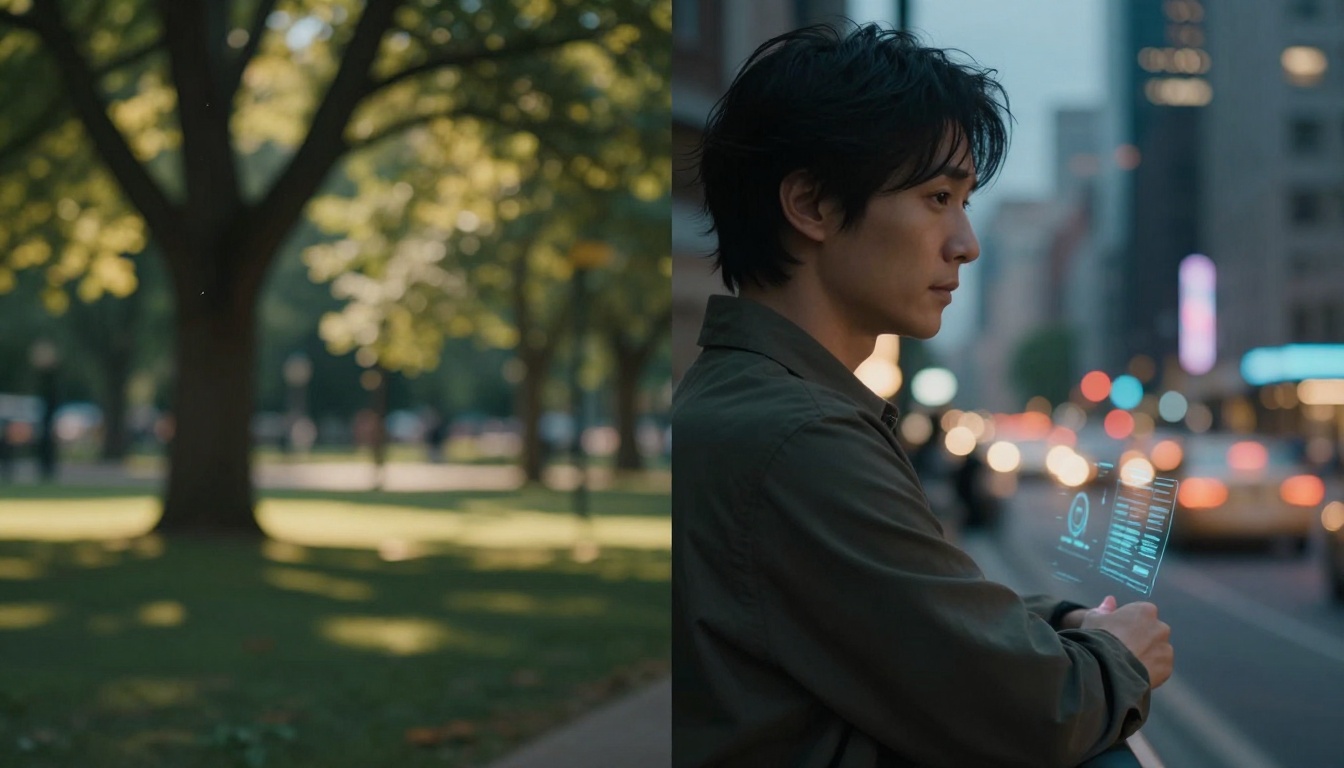
You’ve felt it. In a park, you calm down fast. In traffic, you snap sooner, even with the same to-do list. That’s not random mood. It’s your environment shaping your brain and your choices.
Human behavior changes when the setting changes. Lighting, crowding, and nature cues shift stress levels. People around you set norms, signal what’s “normal,” and reward certain moves. Even your phone and apps steer you with reminders, friction, and timing.
Research in environmental psychology keeps pointing in one direction: the place, the people, the culture, and the digital tools all nudge action. The thesis is simple, physical, social, cultural, and digital environments shape how we act through stress, cues, norms, and nudges. In the sections ahead, you’ll see how it works in everyday life and how to change your surroundings to make good choices easier.
How Physical Spaces Steer Your Mood and Daily Decisions
Physical settings guide behavior through small signals. Your body notices them before your mind explains them. Bright light often signals safety and alertness. Shadows and clutter can signal danger or overwhelm. Layout matters too, a clear path reduces friction, a maze increases frustration.
A simple way to picture this is like steering a bike. Your effort still matters, but the handlebars decide how hard turning feels. Environment changes the “turning effort” for emotions and actions.
Here are a few common space cues and what they tend to trigger:
| Space cue | What you may feel | What you may do next |
|---|---|---|
| Natural views (green) | Soothing attention | You plan, focus, and stick with tasks longer |
| Natural light | Energy and clarity | You start work sooner |
| Crowding or tight spacing | Threat scan | You rush, avoid, or argue |
| Clutter and visual noise | Mental load | You procrastinate or snap faster |
Nature access is one of the clearest examples. A large study in Nature Cities found that biodiversity-rich recreational areas near cities can support mental health more than many managed urban greens. In other words, not all green feels the same. The “type” of nature experience matters, especially when stress is already high.
So if you’ve been trying to “just be calmer,” start with the room. Start with the path you walk every day. Because your actions follow what your senses expect.
Nature’s Hidden Power to Calm Stress and Spark Creativity
Green spaces don’t only look nice. They change how your nervous system responds. That can mean less stress, steadier focus, and more willingness to take on hard tasks.
A 2025 systematic review on biophilic interventions found health benefits linked to plants, light, and natural elements, including in indoor settings. The takeaway is practical. If nature cues are missing, you can often add them without building a whole backyard.

Think about creativity too. When stress rises, your brain protects you. It narrows attention. It searches for threats. That makes “big ideas” harder. Nature cues often widen attention again, so your mind can connect unrelated thoughts.
Try this experiment next time you get stuck. After a frustrating hour, step outside for five minutes. Then write again. Notice what changes in your tone and your speed.
Also, don’t force nature to be “far away.” Even a window view, a houseplant near your desk, or a short walk in a nearby park can shift your baseline. Small resets add up, especially on busy days.
Urban Traps That Trigger Stress and Bad Choices
Cities can help you, but they can also keep your body on edge. Fast motion, constant signals, and harsh sounds can add up. Your brain treats it like you’re always “on watch.”
Noise is a big one. A study summarized in PubMed linked environmental noise exposure to higher cortisol in children across European birth cohorts. Cortisol isn’t proof you’ll “fail.” But it does show how a noisy setting can push your stress biology upward.
When stress stays high, behavior changes in predictable ways:
- You make faster choices with less patience.
- You interpret neutral actions as rude.
- You avoid effort because your brain wants relief.

That’s why bad layouts feel so personal. If you can’t find the entrance, if signage is confusing, if you’re constantly rerouting, you’ll feel “resistance” every day. Over time, that resistance can turn into irritability or avoidance.
Here’s the key shift: treat stressors as signals, not character flaws. If your day repeatedly includes noise, crowding, and confusion, your choices will reflect those pressures. Changing the environment is often easier than “trying harder.”
Your Home Layout: Small Changes for Big Shifts in Habits
Your home is where cues become routines. It’s also where habits get sticky, because you see the same objects every day.
Layout shapes conflict too. When the space feels open and calm, people argue less. When it feels cramped, every small mistake becomes bigger. That’s not about manners. It’s about mental load.
Start with what you can control: visual clutter, food access, and comfort cues.
One research paper on psychological restoration looked at greenness and road traffic noise in everyday environments using a participatory mapping approach. The results supported the idea that feeling like you’re in nature helps restoration, even when your surroundings include stressful elements. That aligns with what many people report at street level. A green view can soften the edge of noise.

Try a “restoration pass” in your home:
- Put a plant near a work or rest spot.
- Open blinds during the day.
- Make the main path through your space easy to walk.
- Hide temptations, don’t rely on willpower.
Even one change can shift your mood. Your brain learns what to expect. So if your room signals “calm and order,” you’ll act that way more often.
The People Around You: How Social Circles and Culture Shape What Feels Normal
Physical space changes your internal pressure. People around you change your external rules.
Social influence works through imitation and reward. If friends train, you’ll feel training is normal. If your family handles conflict with yelling, you’ll learn that conflict is supposed to sound loud. Culture deepens this. It tells you what counts as polite, what counts as risky, and what counts as “real effort.”
Your environment includes more than who you live with. It includes who you text, what you watch, and how people talk when they disagree.
Also, your social world often acts like a feedback loop. You copy what others do. Others respond to you. Then you copy again. That loop can help you build better habits. It can also keep you stuck.
Copying Your Crew: Why Friends’ Habits Rub Off on You
Friends don’t only give advice. They change your reference point for normal behavior. Your mind starts asking, “Do I match them?”
Research in International Journal of Behavioral Nutrition and Physical Activity explored how social network structures relate to leisure-time physical activity in hypertensive patients in China. The big point is that exercise isn’t just personal motivation. Network context matters, who influences you and how tightly connected your group is can shape what you actually do.
Here’s a story that sounds familiar. A friend group stops smoking. Suddenly, cigarettes feel less “social.” You might not even talk about quitting. Your brain just gets new data every weekend.
So watch your “copy trail.” Which habits spread fastest in your circle? Those are the habits your environment is teaching you, even if you didn’t ask.

One practical move: choose environments where good actions already happen. Join the walk that runs after work. Sit with people who plan meals. Pick spaces where your “default” is healthier.
Cultural Norms: What Your Society Says Is Right or Wrong
Culture shapes behavior through expectations, not just rules. It affects how people judge risk. It affects how they respond to mistakes. It affects how direct you’re allowed to be.
Consider how different cultures may treat rule-breaking. In some places, people feel uneasy when someone breaks a rule in public. In others, people focus more on fairness or intent. Either way, your culture changes which behaviors feel safe and which feel embarrassing.
Communication style is part of this too. Some cultures reward direct statements. Others prefer indirect messages that protect relationships. If you grow up in one style, the other can feel rude, even when nobody means harm.
The deeper idea is simple: your brain builds a “social map.” It learns what signals danger, respect, and belonging. Change the social map, and your behavior changes with it.
Digital and Urban Tech: Nudging Smarter Choices in 2026
Today’s environment doesn’t stop at sidewalks. Your phone, maps, and apps act like tiny guides.
Digital tools can nudge you toward better behavior in two main ways. First, they reduce effort. Less searching means faster action. Second, they add timing cues. Reminders at the right moment can beat reminders that show up too late.
Meanwhile, cities also use data to improve movement. When traffic routing improves, it changes how people plan days. When transit info is clearer, people use it more. That’s environment shaping action with feedback.
Here’s the caution. Nudges can help, but they can also trap you. If an app only pushes you to scroll, your choices tilt toward short-term stimulation, not long-term health. Your job is to steer the tool, not let it steer you.
AI and Apps Guiding You Toward Better Daily Moves
AI can support behavior change when it personalizes help. For example, an app can suggest a route that avoids stairs when your knees hurt. Or it can recommend a simple meal plan based on what you actually buy.
Urban systems also depend on data sharing. A WBCSD PDF on enabling data-sharing discusses how better data flow supports changes in urban mobility. That kind of support helps cities deliver clearer guidance, and it can reduce wasted trips that drain your time and patience.

For your daily life, pick apps that reduce friction. Look for features like:
- Transit options that pop up first
- Walk-time estimates that show up early
- Clear “next step” buttons (not buried links)
Also, set boundaries. Turn off notifications that fight your goals. Keep alerts that support your routines. Your environment already has lots of cues. You don’t need more noise.
Cities Designed for Walks, Greens, and Smart Living
When neighborhoods support walking, you act differently without trying. Your brain stops waiting for a “real workout.” It treats movement as part of the day.
Green infrastructure helps too. Trees cool streets. Safer crossings help people feel comfortable. Mixed-use areas also matter. When you can grab groceries nearby, your choices become easier.
These are small changes, but they add up. Your environment keeps repeating the same message: “Moving is normal here.” When you hear that message often enough, you don’t need as much self-talk.
Hack Your Space: Science-Backed Tweaks to Build Better Habits
If environment affects action, then your best habit plan starts with your surroundings. You don’t need a new identity. You need fewer obstacles between you and the behavior you want.
This is where behavior science gets practical. Habits stick when you reduce effort, add clear cues, and make rewards easy to notice. Psychologists also highlight planning tools like implementation intentions, “If X happens, then I do Y.” That’s an environment strategy, your plan turns your day into a trigger system.
Below are tweaks that work because they change cues and friction.
Make Good Actions a No-Brainer by Cutting Effort
Reduce effort for your best habits. Increase effort for your worst ones.
Try one switch this week:
- Keep healthy food visible, and put snacks out of reach.
- Leave workout clothes ready by the door.
- Store “extra steps” in a drawer, so you don’t start with resistance.
Think of it like a thermostat. You set it once. Then the room runs on the setting.
Smart Cues and Triggers to Kickstart New Routines
Cues are the small signals that start your behavior. They work best when they’re tied to a location or a routine.
Use place-linked reminders:
- After you brush your teeth, you floss.
- When you sit at your desk, you open your work file.
- When you put on your shoes, you start a walk playlist.
Add one visible cue, then test it. If it doesn’t help after a week, change it. Don’t treat the first setup like a life sentence.
Borrow Social Power: See Others Do It, Then You Will Too
You can also “design” your social environment.
Look for group activity that matches your goal. When people do something together, the habit feels lighter. You’re not carrying it alone. Plus, others provide quick feedback, you see progress, you feel momentum.
Small moves count:
- Ask a friend to do the same walk schedule.
- Make a shared goal with check-ins.
- Celebrate small wins out loud.
When the group treats the behavior as normal, your brain follows.
Conclusion
Environment does more than set the mood. It shapes the pressure inside you and the cues around you. That’s why the same person can feel calm in a park and tense in traffic.
You can change what you do by changing what you see, hear, and repeat. Add nature cues, reduce stress traps, and set up your space so good actions require less effort. Social circles and digital tools matter too, because they update your “normal” every day.
This week, do one audit. Walk through your home and ask, “Which objects start my habits, and which slow me down?” Then make one small swap that supports the person you want to be.